

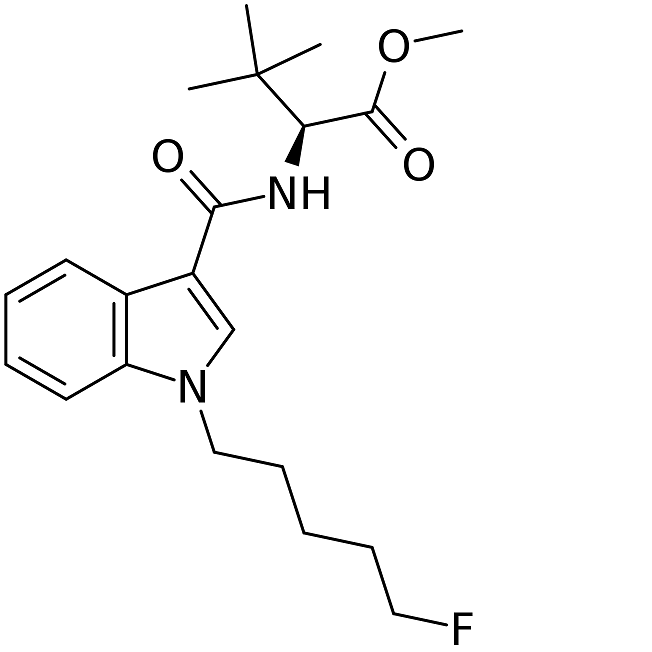
Buy 5FAEB2201 Online
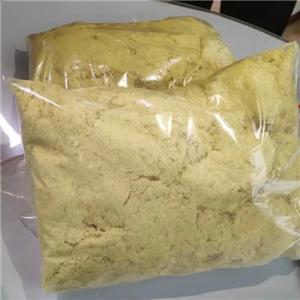
5-FAEB-2201 Cheap Price Fine Vendor Buy 5f Orange Color USA Warehouse Direct Delivery
Buy 5FAEB2201 Online First, Cannabinoids is the active chemicals in medical marijuana. As such, they are similar to chemicals the body makes that are involved in appetite, memory, movement, and pain.
Research suggests cannabinoids (5FAEB2201) might:
Reduce anxiety
Reduce inflammation and relieve pain
Control nausea and vomiting caused by chemotherapy
Kill cancer cells and slow tumor growth
Relax tight muscles in people with multiple sclerosis
Stimulate appetite and improve weight gain in people with cancer and AIDS 5FAEB2201
5-FAEB-2201 Equally, ou’ll often see people report that there are dozens, or even 100+ plant cannabinoids produce by cannabis. But it’s difficult to know the precise number. Concequently, most of 5FAEB2201 are present at very low levels, especially in commercial cannabis products. Thus, making it difficult for scientists to accurately detect them. However, the important point is that there are many. Finally, let’s take a closer look at some of the major cannabinoids that can be find in cannabis products.
5-FAEB-2201 Conclusively, Cannabis doesn’t directly make the most famous cannabinoids associate with the plant, THC and CBD. Instead, it synthesizes several cannabinoid acids. As such, these cannabinoid acids must be “activate” (decarboxylated), usually by heat, to yield the compounds that most consumers are after (THC or CBD). Above all, in addition to THCA and CBDA, there are number of relate cannabinoid acids that can be produce by cannabis.
5-FAEB-2201 is a synthetic cannabinoid that may be discussed within the fields of analytical chemistry, forensic science, toxicology, and public health research. Synthetic cannabinoids are laboratory-created compounds designed to interact with cannabinoid receptors in the body. Although they may influence some of the same biological pathways as naturally occurring cannabinoids, they are structurally distinct and can exhibit different pharmacological and toxicological properties.
5-FAEB-2201 Researchers continue to study synthetic cannabinoids to improve understanding of receptor activity, biological effects, analytical detection methods, and public health implications.
What Is 5-FAEB-2201?
5-FAEB-2201 belongs to a broader category of synthetic cannabinoids that interact with components of the endocannabinoid system. Scientists investigate compounds in this class to better understand cannabinoid receptor signaling, molecular interactions, and toxicological outcomes.
Research involving synthetic cannabinoids often focuses on:
- Receptor binding behavior
- Pharmacological activity
- Metabolic pathways
- Toxicological profiles
- Analytical identification techniques
The appearance of new synthetic cannabinoid compounds continues to be an area of interest for researchers and regulatory agencies worldwide.
Understanding the Endocannabinoid System
The endocannabinoid system is a biological network involved in regulating numerous physiological functions.
These functions include:
- Memory processing
- Mood regulation
- Sleep cycles
- Appetite control
- Stress responses
- Pain perception
- Immune system activity
Scientists frequently study synthetic cannabinoids to examine how activation of cannabinoid receptors influences these biological processes.
CB1 Receptors
CB1 receptors are primarily located in the central nervous system.
They are associated with:
- Learning and memory
- Cognitive function
- Motor coordination
- Neurological communication
- Behavioral responses
CB2 Receptors
CB2 receptors are more commonly found in immune-related tissues and peripheral organs.
Research suggests they may contribute to:
- Immune regulation
- Inflammatory responses
- Cellular signaling processes
Scientific Interest in Synthetic Cannabinoids
Synthetic cannabinoids have become important subjects of research because they provide insights into receptor pharmacology and cannabinoid biology.
Areas of scientific investigation include:
Receptor Pharmacology
Researchers examine how compounds interact with cannabinoid receptors and influence signaling pathways.
Molecular Structure Analysis
Scientists study how chemical structure affects biological activity and receptor interactions.
Toxicological Assessment
Investigations focus on potential adverse effects and safety concerns.
Public Health Monitoring
Researchers monitor emerging compounds to better understand trends and potential health risks.
Analytical Identification Methods
Accurate identification of synthetic cannabinoids requires sophisticated laboratory techniques.
Gas Chromatography–Mass Spectrometry (GC-MS)
GC-MS is commonly used for:
- Compound identification
- Molecular characterization
- Forensic investigations
- Laboratory confirmation
Liquid Chromatography–Mass Spectrometry (LC-MS)
LC-MS provides highly sensitive detection and is widely used in toxicological and analytical research.




Reviews
There are no reviews yet.