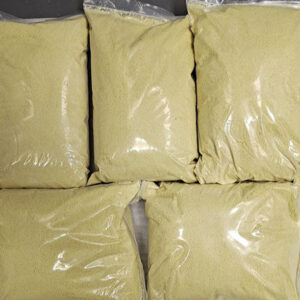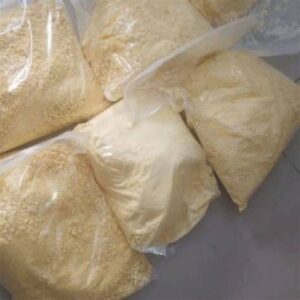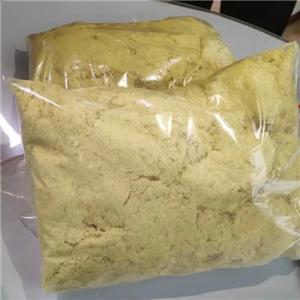
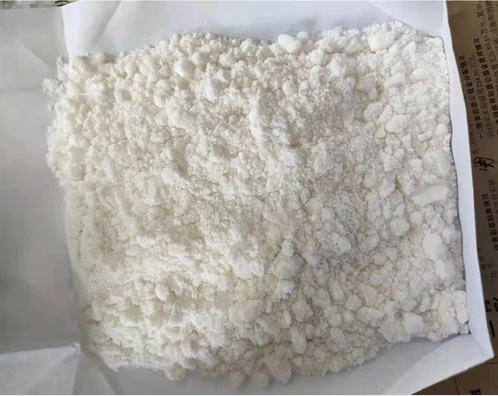
PMK-POWDER

Price range: $350.00 through $5,000.00

PMK, commonly referred to as Piperonyl Methyl Ketone, is an organic chemical compound that has attracted attention in chemical research, forensic science, regulatory compliance, and law enforcement investigations. The compound is known for its role in synthetic organic chemistry and is frequently discussed in the context of chemical precursor regulation.

This article provides a scientific overview of PMK, including its chemical characteristics, research relevance, analytical identification methods, safety considerations, and legal status. The purpose of this content is educational and informational.

What Is PMK?

PMK is an aromatic ketone containing a methylenedioxy-substituted benzene ring. It has been studied in organic chemistry due to its structural properties and its relevance in various chemical synthesis pathways.

Researchers, forensic laboratories, and regulatory agencies may encounter PMK during analytical investigations and chemical monitoring programs.

Chemical Characteristics

PMK possesses several notable chemical features:

  • Aromatic organic compound
  • Ketone functional group
  • Methylenedioxy-substituted phenyl ring
  • Intermediate of interest in synthetic organic chemistry
  • Frequently referenced in forensic chemistry literature

The compound’s molecular structure contributes to its importance in analytical and regulatory discussions.

Chemical Structure and Classification

From a scientific perspective, PMK belongs to a broader category of aromatic ketones. Organic chemists often study compounds in this category to understand:

  • Reaction mechanisms
  • Functional group transformations
  • Synthetic methodologies
  • Structure-activity relationships
  • Analytical identification procedures

Its structure makes it a useful reference material in certain laboratory and forensic applications.

Importance in Chemical Research

PMK has been discussed in various scientific fields, including:

Organic Chemistry

Researchers examine compounds such as PMK to better understand:

  • Carbonyl chemistry
  • Aromatic substitution reactions
  • Synthetic route development
  • Chemical transformation processes

Analytical Chemistry

Analytical scientists investigate PMK for:

  • Chemical identification
  • Instrument calibration
  • Method validation
  • Reference standard comparisons

Forensic Science

Forensic laboratories may encounter PMK during investigations involving controlled chemical substances and regulatory compliance monitoring.

Analytical Identification Methods

Accurate identification of PMK requires specialized laboratory techniques.

Common analytical approaches include:

Gas Chromatography (GC)

Gas chromatography assists scientists in separating and analyzing volatile chemical compounds.

Gas Chromatography–Mass Spectrometry (GC-MS)

GC-MS is widely used for:

  • Compound identification
  • Molecular characterization
  • Forensic investigations
  • Chemical confirmation testing

Liquid Chromatography (LC)

Liquid chromatography can help separate compounds for further examination and analysis.

Spectroscopic Techniques

Researchers may utilize:

  • Infrared spectroscopy
  • Nuclear magnetic resonance spectroscopy
  • Ultraviolet-visible spectroscopy
  • Mass spectrometry

These methods provide detailed information regarding molecular composition and structure.

Role in Forensic Investigations

Forensic laboratories often monitor compounds that have regulatory significance.

The objectives of forensic analysis include:

  • Identifying unknown substances
  • Supporting criminal investigations
  • Monitoring chemical trafficking trends
  • Assisting regulatory enforcement activities
  • Verifying chemical composition

Scientific accuracy is critical in these investigations because analytical results may influence legal and regulatory decisions.

Safety Considerations in Laboratory Settings

Chemical handling should always follow established laboratory safety procedures.

Researchers typically consider:

Personal Protective Equipment

Laboratory personnel may use:

  • Protective eyewear
  • Chemical-resistant gloves
  • Laboratory coats
  • Appropriate respiratory protection when necessary

Ventilation Requirements

Many chemical procedures require:

  • Fume hoods
  • Controlled laboratory environments
  • Air quality monitoring systems

Storage Practices

Safe storage generally includes:

  • Clearly labeled containers
  • Secure storage areas
  • Environmental controls
  • Compliance with institutional safety protocols

Specific handling requirements depend on laboratory regulations and safety assessments.

Regulatory and Legal Considerations

PMK is subject to significant regulatory attention in many jurisdictions.

Authorities may regulate such compounds through:

  • Chemical precursor legislation
  • Controlled substance regulations
  • Import and export controls
  • Licensing requirements
  • Monitoring and reporting systems

Researchers, institutions, and organizations must comply with all applicable laws and regulations governing chemical handling and possession.

International Monitoring and Compliance

Numerous international organizations and national authorities monitor precursor chemicals to support:

  • Public safety
  • Regulatory compliance
  • Chemical tracking programs
  • International cooperation efforts

Compliance frameworks vary across countries and regions.

Environmental Considerations

Chemical research increasingly emphasizes environmental responsibility.

Important considerations include:

Waste Management

Laboratories should implement:

  • Proper waste segregation
  • Approved disposal procedures
  • Regulatory compliance measures

Environmental Protection

Researchers aim to minimize:

  • Chemical releases
  • Environmental contamination
  • Hazardous waste generation

Responsible laboratory practices help support sustainable scientific research.

Advances in Analytical Technology

Modern analytical laboratories continue improving detection capabilities.

Recent developments include:

  • Enhanced mass spectrometry systems
  • Improved chromatographic methods
  • Advanced data analysis tools
  • Higher sensitivity detection technologies

These advances support more accurate chemical identification and characterization.

Research Challenges

Scientists studying regulated chemicals may face several challenges:

Regulatory Restrictions

Compliance requirements can affect:

  • Material access
  • Research approvals
  • International collaboration

Analytical Complexity

Accurate identification may require:

  • Specialized equipment
  • Expert interpretation
  • Multiple confirmatory techniques

Evolving Regulations

Regulatory frameworks may change over time as authorities respond to emerging trends and scientific developments.

Educational Importance

Understanding compounds such as PMK is valuable for:

  • Chemistry students
  • Forensic scientists
  • Regulatory professionals
  • Public policy researchers
  • Analytical chemists

Educational resources help promote informed discussion regarding chemistry, regulation, and public safety.

Future Research Directions

Ongoing scientific work may focus on:

  • Improved analytical methods
  • Detection technologies
  • Regulatory science
  • Forensic applications
  • Environmental monitoring approaches

Continued research contributes to a deeper understanding of chemical identification and compliance practices.

Conclusion

PMK remains an important subject in analytical chemistry, forensic science, and regulatory discussions. Its significance stems from its chemical properties, analytical relevance, and role within broader regulatory frameworks. Scientific research, laboratory safety, and legal compliance remain essential considerations when studying compounds of this type.

Frequently Asked Questions

What does PMK stand for?

PMK commonly refers to Piperonyl Methyl Ketone, an organic chemical compound discussed in chemical and forensic literature.

Why is PMK important in analytical chemistry?

Researchers use analytical techniques to identify and characterize PMK in laboratory and forensic settings.

What laboratory methods are used to identify PMK?

Common methods include gas chromatography, mass spectrometry, liquid chromatography, and spectroscopic analysis.

Is PMK regulated?

Regulations vary by jurisdiction, and many countries apply monitoring and control measures to certain precursor chemicals.

Why do forensic laboratories study PMK?

Forensic scientists may analyze PMK during investigations involving chemical identification and regulatory compliance.Buy PMK Powder Online

SKU: N/A Category:

PMK Powder Online, 3,4-Methylenedioxyphenylpropan-2-one or piperonyl methyl ketone (MDP2P or PMK) is a chemical compound consisting of a phenylacetone moiety substitute with a methylenedioxy functional group. PMK-POWDER  It is commonly synthesize from either safrole (which, for comparison, is 3-[3,4-(methylenedioxy)phenyl]-2-propene) or its isomer isosafrole via oxidation using the Wacker oxidation or peroxyacid oxidation methods. MDP2P is unstable at room temperature and must be keep in the freezer in order to be preserve properly.  PMK-POWDER , Kindly use the contact us form to give us an email in case of any question. We are please to welcome any message and will respond accordingly. PMK-POWDER

Description:

PMK-POWDER Use as pharmaceutical intermediates for synthetic antibacterial anti-inflammatory drugs berberine, L-methyldopa, cardiovascular drugs, anti-hypertensive and anti-tumor drugs. PMK-POWDER
Our company is a manufacturer and exporter of piperonyl methyl ketone (PMK/MDP2P).
We have PMK Powder or called PMK-Glycidate in stock, no GAS number, easy to get PMK oil from this powder and no restriction on Customs clearance. PMK-POWDER

Detail Description: Furthermore storage in a dry, ventilate place under normal temperature. Also avoid direct sun exposure.
Usage: Used for synthetic high blood pressure and pharmaceutical intermediates, some use for spices intermediates. Our main focus here is to provide best quality goods and services and give equal treatments to all our clients

Huge quantity now.

Molecular Formula: C10H10O3

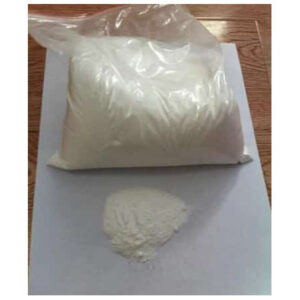
Appearance: White Powder
PMK, commonly referred to as Piperonyl Methyl Ketone, is an organic chemical compound that has attracted attention in chemical research, forensic science, regulatory compliance, and law enforcement investigations. The compound is known for its role in synthetic organic chemistry and is frequently discussed in the context of chemical precursor regulation.

This article provides a scientific overview of PMK, including its chemical characteristics, research relevance, analytical identification methods, safety considerations, and legal status. The purpose of this content is educational and informational.

What Is PMK?

PMK-POWDER is an aromatic ketone containing a methylenedioxy-substituted benzene ring. It has been studied in organic chemistry due to its structural properties and its relevance in various chemical synthesis pathways.

Researchers, forensic laboratories, and regulatory agencies may encounter PMK during analytical investigations and chemical monitoring programs.

Chemical Characteristics

PMK-POWDER possesses several notable chemical features:

  • Aromatic organic compound
  • Ketone functional group
  • Methylenedioxy-substituted phenyl ring
  • Intermediate of interest in synthetic organic chemistry
  • Frequently referenced in forensic chemistry literature

The compound’s molecular structure contributes to its importance in analytical and regulatory discussions.

Chemical Structure and Classification

From a scientific perspective, PMK-POWDER belongs to a broader category of aromatic ketones. Organic chemists often study compounds in this category to understand:

  • Reaction mechanisms
  • Functional group transformations
  • Synthetic methodologies
  • Structure-activity relationships
  • Analytical identification procedures

Its structure makes it a useful reference material in certain laboratory and forensic applications.

Importance in Chemical Research

PMK has been discussed in various scientific fields, including:

Organic Chemistry

Researchers examine compounds such as PMK to better understand:

  • Carbonyl chemistry
  • Aromatic substitution reactions
  • Synthetic route development
  • Chemical transformation processes

Analytical Chemistry

Analytical scientists investigate PMK for:

  • Chemical identification
  • Instrument calibration
  • Method validation
  • Reference standard comparisons

Forensic Science

Forensic laboratories may encounter PMK during investigations involving controlled chemical substances and regulatory compliance monitoring.

Analytical Identification Methods

Accurate identification of PMK requires specialized laboratory techniques.

Common analytical approaches include:

Gas Chromatography (GC)

Gas chromatography assists scientists in separating and analyzing volatile chemical compounds. PMK-POWDER

Gas Chromatography–Mass Spectrometry (GC-MS)

GC-MS is widely used for:

  • Compound identification
  • Molecular characterization
  • Forensic investigations
  • Chemical confirmation testing

Liquid Chromatography (LC)

Liquid chromatography can help separate compounds for further examination and analysis. PMK-POWDER

Spectroscopic Techniques

Researchers may utilize:

  • Infrared spectroscopy
  • Nuclear magnetic resonance spectroscopy
  • Ultraviolet-visible spectroscopy
  • Mass spectrometry

These methods provide detailed information regarding molecular composition and structure.

Role in Forensic Investigations

Forensic laboratories often monitor compounds that have regulatory significance.

The objectives of forensic analysis include:

  • Identifying unknown substances
  • Supporting criminal investigations
  • Monitoring chemical trafficking trends
  • Assisting regulatory enforcement activities
  • Verifying chemical composition

Scientific accuracy is critical in these investigations because analytical results may influence legal and regulatory decisions.

Safety Considerations in Laboratory Settings

Chemical handling should always follow established laboratory safety procedures.

Researchers typically consider:

Personal Protective Equipment

Laboratory personnel may use:

  • Protective eyewear
  • Chemical-resistant gloves
  • Laboratory coats
  • Appropriate respiratory protection when necessary

Ventilation Requirements

Many chemical procedures require:

  • Fume hoods
  • Controlled laboratory environments
  • Air quality monitoring systems

Storage Practices

Safe storage generally includes:

  • Clearly labeled containers
  • Secure storage areas
  • Environmental controls
  • Compliance with institutional safety protocols

Specific handling requirements depend on laboratory regulations and safety assessments.

Regulatory and Legal Considerations

PMK is subject to significant regulatory attention in many jurisdictions.

Authorities may regulate such compounds through:

  • Chemical precursor legislation
  • Controlled substance regulations
  • Import and export controls
  • Licensing requirements
  • Monitoring and reporting systems

Researchers, institutions, and organizations must comply with all applicable laws and regulations governing chemical handling and possession.

International Monitoring and Compliance

Numerous international organizations and national authorities monitor precursor chemicals to support: PMK-POWDER

  • Public safety
  • Regulatory compliance
  • Chemical tracking programs
  • International cooperation efforts

Compliance frameworks vary across countries and regions.

Environmental Considerations

Chemical research increasingly emphasizes environmental responsibility.

Important considerations include:

Waste Management

Laboratories should implement:

  • Proper waste segregation
  • Approved disposal procedures
  • Regulatory compliance measures

Environmental Protection

Researchers aim to minimize:

  • Chemical releases
  • Environmental contamination
  • Hazardous waste generation

Responsible laboratory practices help support sustainable scientific research.

Advances in Analytical Technology

Modern analytical laboratories continue improving detection capabilities.

Recent developments include:

  • Enhanced mass spectrometry systems
  • Improved chromatographic methods
  • Advanced data analysis tools
  • Higher sensitivity detection technologies

These advances support more accurate chemical identification and characterization.

Research Challenges

Scientists studying regulated chemicals may face several challenges:

Regulatory Restrictions

Compliance requirements can affect:

  • Material access
  • Research approvals
  • International collaboration

Analytical Complexity

Accurate identification may require:

  • Specialized equipment
  • Expert interpretation
  • Multiple confirmatory techniques

Evolving Regulations

Regulatory frameworks may change over time as authorities respond to emerging trends and scientific developments.

Educational Importance

Understanding compounds such as PMK is valuable for:

  • Chemistry students
  • Forensic scientists
  • Regulatory professionals
  • Public policy researchers
  • Analytical chemists

Educational resources help promote informed discussion regarding chemistry, regulation, and public safety.

Future Research Directions

Ongoing scientific work may focus on:

  • Improved analytical methods
  • Detection technologies
  • Regulatory science
  • Forensic applications
  • Environmental monitoring approaches

Continued research contributes to a deeper understanding of chemical identification and compliance practices.

Conclusion

PMK remains an important subject in analytical chemistry, forensic science, and regulatory discussions. Its significance stems from its chemical properties, analytical relevance, and role within broader regulatory frameworks. Scientific research, laboratory safety, and legal compliance remain essential considerations when studying compounds of this type.

Frequently Asked Questions

What does PMK stand for?

PMK commonly refers to Piperonyl Methyl Ketone, an organic chemical compound discussed in chemical and forensic literature.

Why is PMK important in analytical chemistry?

Researchers use analytical techniques to identify and characterize PMK in laboratory and forensic settings.

What laboratory methods are used to identify PMK?

Common methods include gas chromatography, mass spectrometry, liquid chromatography, and spectroscopic analysis.

Is PMK regulated?

Regulations vary by jurisdiction, and many countries apply monitoring and control measures to certain precursor chemicals.

Why do forensic laboratories study PMK?

Forensic scientists may analyze PMK during investigations involving chemical identification and regulatory compliance.

Quantity

50g, 100g, 250g, 500g, 1kg

Reviews

There are no reviews yet.

Be the first to review “PMK-POWDER”

Your email address will not be published. Required fields are marked *